

Pāuz™ Wellness / The Wellness Journal
Simple, evidence-informed routines for real life.
A more intentional routine does not have to mean a more complicated life. After 40, many of us juggle work, family, relationships, responsibilities and an endless stream of advice about what wellness should look like. The most useful approach is usually simpler: choose a few repeatable habits that fit your real schedule, then build consistency over time.
Explore Pāuz: Visit the Pāuz Wellness website · Browse the Pāuz shop
At Pāuz™, we believe everyday wellness deserves a moment of intention. This guide looks at the fundamentals of a sustainable morning, daytime and evening routine. It draws on public-health guidance, professional-association recommendations and peer-reviewed research rather than promises of quick fixes. [SRC1]
Why a daily wellness routine matters after 40
Healthy aging is not reserved for retirement. The CDC describes it as supporting physical, mental and social well-being throughout life. Movement, food choices, sleep, emotional health, relationships and preventive healthcare all matter. The goal is not perfection or a single transformative product; it is a pattern that supports daily life. [SRC1]
Think of your routine as a series of anchors: a predictable morning start, a few decisions that keep you moving and nourished, and an evening rhythm that helps you prepare for sleep. Each anchor can be adapted to your preferences, abilities, schedule and care needs.
1. Start the morning with intention—not urgency
Before opening a flood of notifications, choose one small action that helps you begin the day deliberately. You might open the curtains, write down the day’s most important task, enjoy a few quiet minutes, or take a short walk outside. These are practical choices, not treatments or guaranteed health interventions.
A simple morning checklist might include drinking water with breakfast, eating something nourishing when you are hungry, getting dressed for a short activity break, and deciding when you will have time to slow down later. If your mornings are crowded, start with just one anchor. Consistency is more useful than an elaborate routine that is impossible to maintain.
Make room for your morning Pāuz. Looking for ways to make everyday rituals more intentional? Explore the Pāuz collection and review each product’s current ingredient information before choosing one.
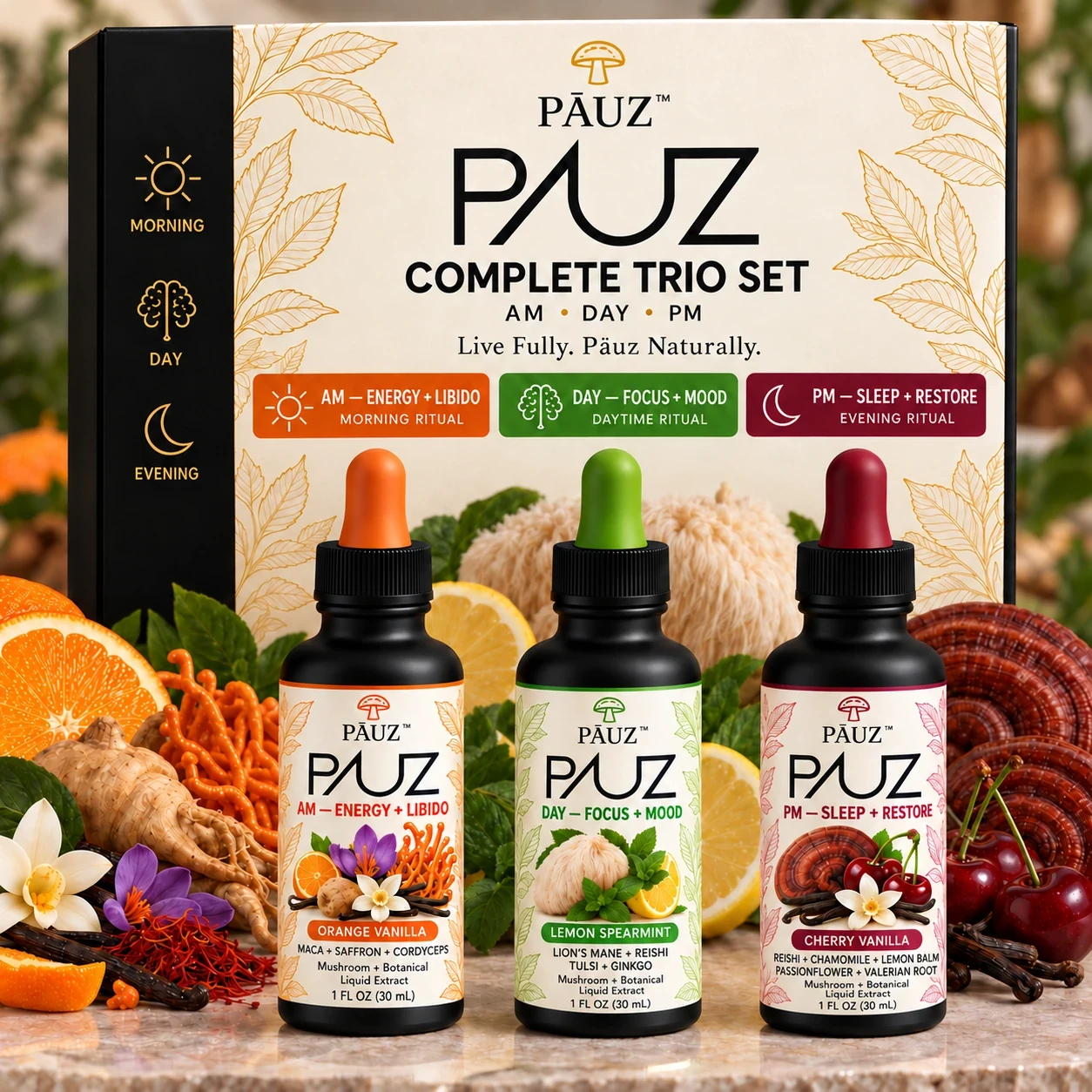
Three moments. One daily ritual.
Explore the AM, DAY and PM collection artwork alongside healthy daily habits. Check the latest product details and availability on the Pāuz website.
2. Move in ways you can actually repeat
Physical activity is one of the most established parts of a healthy lifestyle. Current CDC guidance for adults recommends at least 150 minutes of moderate-intensity activity per week and at least two days of muscle-strengthening activity. The minutes can be divided across the week, and some activity is better than none. [SRC2]
The World Health Organization’s 2020 evidence-based guidelines recommend 150–300 minutes of moderate-intensity aerobic activity weekly for adults, or an equivalent amount of vigorous activity. This is a population-level guideline, not a personalized training prescription. [SRC8]
That might mean a brisk 20- or 30-minute walk, dancing in your living room, riding a bike, swimming, or walking while catching up with a friend. Strength-focused activity could involve resistance bands, suitable body-weight exercises, or weights you can safely handle. Choose movements that fit your abilities rather than copying someone else’s routine.
Try pairing movement with a habit you already have: a short walk after lunch, standing up between long stretches of desk work, or taking a weekly class. If you have a chronic condition, mobility limitation, or plans to begin vigorous exercise after being inactive, ask your healthcare professional what is appropriate for you. [SRC2]
3. Build meals around nourishment, not trends
Food can be satisfying, practical and supportive of a balanced lifestyle without being governed by extreme rules. CDC nutrition guidance emphasizes a variety of nutrient-dense foods, including vegetables, fruit, whole grains, protein sources and healthy fats. It also encourages limiting excess added sugar and highly processed foods. [SRC4]
In a 2021 scientific statement, the American Heart Association emphasized overall dietary patterns rather than relying on individual foods or nutrients as quick fixes. Food access, culture and budget also shape what is realistic. [SRC9]
Instead of reinventing every meal, look for one small upgrade. Add vegetables to an existing lunch, include a protein source you enjoy, keep fruit available as a snack, or plan a simple meal before a busy week begins. Cultural food traditions, personal preferences and budget can all fit into a balanced approach. Wellness is not a competition over who has the most expensive pantry.
4. Make hydration an everyday habit
Water is essential for the body’s normal functioning, and mild dehydration can leave you thirsty or uncomfortable. NIH recommends building hydration into everyday activities—for example, keeping water nearby and drinking with meals. Fluid needs are not identical for everyone; activity, weather, medications and health conditions can change what is appropriate. [SRC5]
Consider a reusable water bottle, a glass of water at lunch, or unsweetened drinks you enjoy. Avoid treating a single number of ounces as a universal rule. If a clinician has told you to restrict fluids, follow that advice. Hydration is a steady habit, not a challenge to force as much water as possible.
5. Give your attention a short reset
Stress is part of life, but small pauses can create a useful sense of space between obligations. A brief quiet period, gentle stretching, a journal entry, or slow breathing may fit naturally into your afternoon. NIH’s National Center for Complementary and Integrative Health lists practices such as deep breathing, guided imagery and progressive relaxation as examples of relaxation techniques. It also notes that the evidence for specific medical outcomes varies. [SRC6]
You do not need to master meditation to make room for a pause. Try setting a five-minute timer, stepping away from your screen, or checking in with yourself before the next meeting. These practices can complement a broader wellness routine, but they should not replace professional care when you need it.
6. Protect the evening transition

A well-designed evening routine begins before your head reaches the pillow. CDC sleep guidance recommends regular sleep and wake times, a comfortable and quiet bedroom, avoiding caffeine late in the day and reducing device use before bedtime. Sleep needs vary with age: adults ages 18–60 generally need at least seven hours per night, ages 61–64 need seven to nine, and adults 65 and older generally need seven to eight. [SRC3]
The American Academy of Sleep Medicine and Sleep Research Society recommend that healthy adults regularly sleep seven or more hours per night; the American Heart Association describes seven to nine hours as a useful general adult target. Restfulness, continuity and individual circumstances matter too. [SRC10] [SRC11]
Choose a practical wind-down sequence: put tomorrow’s essentials in one place, lower the intensity of evening activities, turn down bright screens, and choose an enjoyable quiet activity. If you regularly struggle to sleep or still feel exhausted after enough time in bed, speak with a healthcare professional rather than trying to solve an ongoing problem with a wellness purchase. [SRC3]
7. Make room for connection
Wellness is also social. The CDC describes meaningful relationships and supportive communities as important to well-being. Staying connected can be as simple as checking in with a friend, sharing a walk, eating with family, or participating in a group that matters to you. [SRC7]
A 2010 meta-analysis of 148 observational studies involving more than 300,000 participants found an association between stronger social relationships and a greater likelihood of survival. This does not establish that any one activity, friendship or wellness product causes longer life. [SRC12]
Consider adding one connection habit to your calendar, such as calling someone once a week or planning a recurring walk with a neighbor. Some seasons make connection harder than others. The aim is not to fill every evening with plans, but to make supportive relationships part of your routine.
A realistic seven-day starting plan
Rather than changing everything on Monday, try a single small action each day and keep the ones that work:
- Day 1: Choose a consistent wake-up time that fits your schedule.
- Day 2: Add a short, comfortable movement break.
- Day 3: Make one meal more balanced with foods you enjoy.
- Day 4: Keep water available during your normal daily activities.
- Day 5: Try five quiet minutes away from your phone.
- Day 6: Reach out to someone whose company you value.
- Day 7: Plan a manageable evening wind-down and review what felt useful.
By the end of the week, keep two or three anchors rather than forcing yourself to maintain all seven. Build from a realistic baseline; your routine should support your life, not become another task you feel you are failing.
Where Pāuz fits
Discover Pāuz Wellness: Meet the brand · See the current collection.
Pāuz is a wellness brand built around creating intentional moments in everyday life. We think a morning ritual, an afternoon pause or an evening wind-down can be meaningful because of the attention you give it—not because a product can replace sleep, nutritious food, movement or medical care.
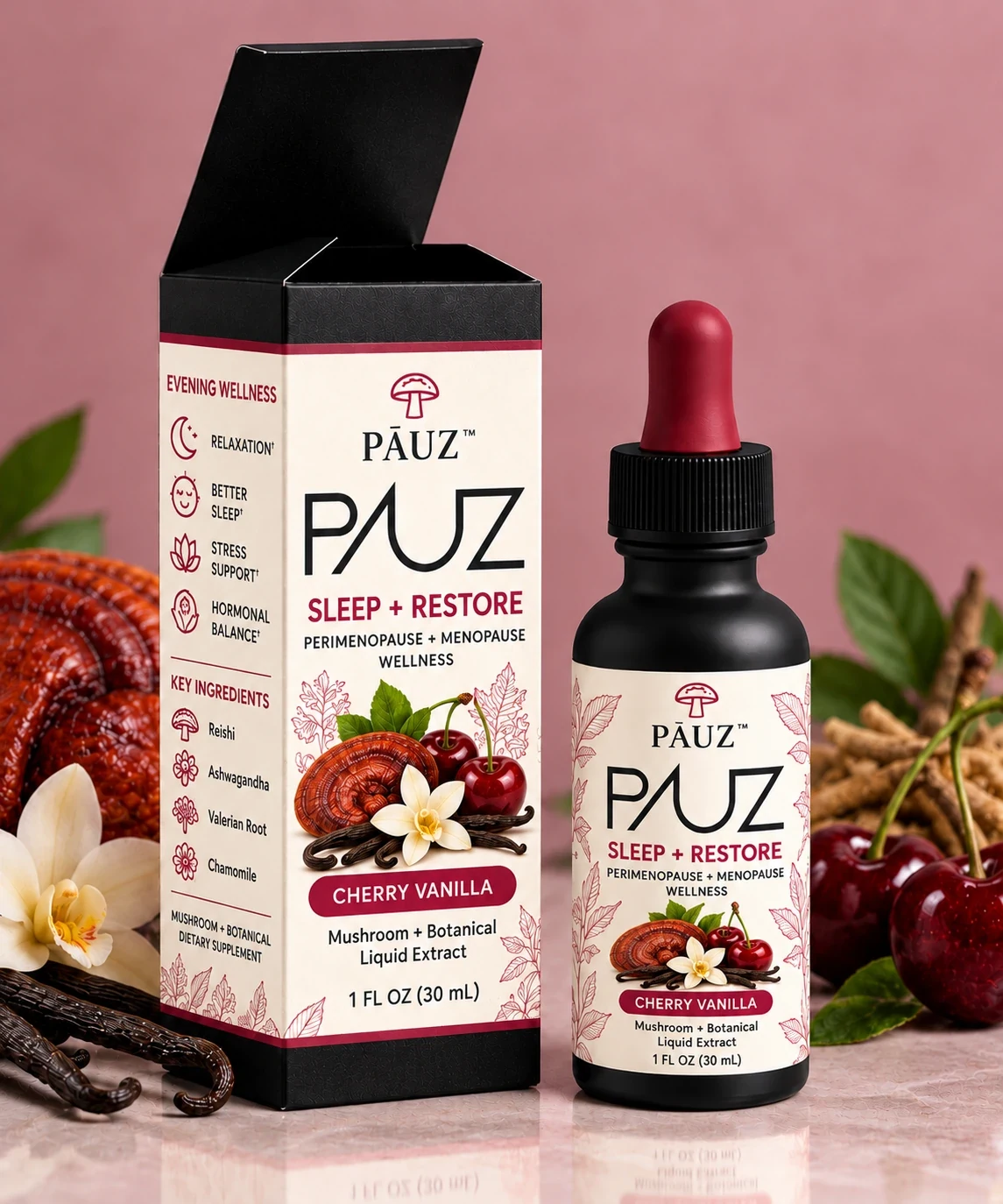
Explore the evolving Pāuz collection at the Pāuz shop. When considering botanical or supplemental products, read the full ingredient information and speak with a qualified professional if you are pregnant, nursing, take medication or have medical questions. This article does not make efficacy claims for any Pāuz product.
Frequently asked questions
What is the best morning routine after 40?
There is no single best routine. A practical starting point is one or two repeatable habits, such as preparing a balanced breakfast, drinking water with a meal, or fitting in a comfortable movement break. Adapt the details to your schedule and individual health needs.
How much exercise do adults need each week?
CDC guidance recommends at least 150 minutes of moderate-intensity aerobic activity and two days of muscle-strengthening activity for adults. Some activity is better than none, and people with relevant health conditions should seek individualized advice. [SRC2]
How much sleep should someone over 40 aim for?
Adults ages 40–60 generally need at least seven hours. Recommendations shift somewhat for older adults, and sleep quality matters alongside duration. Ask a healthcare professional about persistent sleep problems. [SRC3]
Do I need supplements to have a good wellness routine?
No supplement is a substitute for core habits such as adequate sleep, balanced nutrition, regular activity and appropriate healthcare. Whether an individual product is suitable depends on its ingredients and your circumstances. Seek professional guidance when needed.
How do I keep my routine going when life gets busy?
Choose a minimum version: five minutes of quiet, one brief walk, or one simple meal you can prepare reliably. Make the routine easier before making it bigger, then review what is realistically sustainable each week.
Small routines. Meaningful moments.
Explore the evolving Pāuz collection and find details on the formulas currently offered. Products complement a wellness routine; they do not replace sleep, nutrition, movement or professional care.
References and further reading
- Healthy Aging at Any Age — CDC.
- Adding Physical Activity as an Adult — CDC.
- About Sleep — CDC.
- Healthy Eating Tips — CDC.
- Hydrating for Health — NIH News in Health.
- 5 Things To Know About Relaxation Techniques for Stress — NCCIH / NIH.
- Improving Social Connectedness — CDC.
- Bull FC, Al-Ansari SS, Biddle S, et al. (2020). World Health Organization 2020 guidelines on physical activity and sedentary behaviour. British Journal of Sports Medicine. doi:10.1136/bjsports-2020-102955
- Lichtenstein AH, Appel LJ, Vadiveloo M, et al. (2021). 2021 Dietary Guidance to Improve Cardiovascular Health: A Scientific Statement From the American Heart Association. Circulation. doi:10.1161/CIR.0000000000001031
- Watson NF, Badr MS, Belenky G, et al. (2015). Recommended Amount of Sleep for a Healthy Adult: A Joint Consensus Statement of the American Academy of Sleep Medicine and Sleep Research Society. Journal of Clinical Sleep Medicine. doi:10.5664/jcsm.4758
- American Heart Association (2025). Life’s Essential 8: How to Get Healthy Sleep. American Heart Association.
- Holt-Lunstad J, Smith TB, Layton JB (2010). Social Relationships and Mortality Risk: A Meta-analytic Review. PLOS Medicine. doi:10.1371/journal.pmed.1000316
Editorial note: This article provides general wellness education, not individualized medical advice. It has not been reviewed as a Pāuz product advertisement, and no specific product health benefits are asserted.